

The importance of pharmaceutical temperature-controlled transport
Temperature-controlled freight is a crucial component of pharma logistics. All pharmaceuticals must be handled with extreme care during transit. Within an extensive national framework where the UK hosts over 2,700 pharmaceutical goods wholesalers and tens of thousands of active logistics operators, with London acting as a primary distribution hub due to major research centres and Heathrow gateways, all pharmaceuticals must be handled with extreme care during transit. To ensure that the quality and integrity of pharmaceutical items are not compromised, temperature-controlled transport and storage are essential.
What is pharmaceutical temperature-controlled transport?
Temperature-controlled logistics involve the storage, maintenance, and conveyance of consignments that are sensitive to environmental conditions and need to be stored at a specified temperature.
It is the courier’s responsibility to maintain these levels during transit.
Vans, rigid trucks, and semi-trailers enclosed with insulated thermostatically-controlled cargo compartments and specific refrigeration units are frequently used to transport pharmaceutical products.
Key categories in thermal management
Maintaining strict parameters requires adhering to specific temperature bands tailored to sensitive medical cargoes. The primary ranges managed during transit include:
- Controlled Room Temperature (CRT): Maintained between 15°C and 25°C for general medications, tablets, and medical devices vulnerable to extreme heat or freezing.
- Cold Chain Storage: Ranging strictly from 2°C to 8°C for vaccines, biologicals, and insulin, alongside ultra-low parameters for specialised gene therapies.
Why is temperature-controlled logistics important to the pharmaceutical industry?
Whether they are raised or below subzero, the chemical stability of medication, biological products or active ingredients can be impacted by temperature fluctuations. That’s why it’s important that pharmaceuticals are stored at a safe temperature at all times throughout the supply chain to make sure that these products are safe.
Regulatory frameworks such as Good Distribution Practice (GDP) enforce strict standards across Europe. Effective pharmaceutical temperature-controlled transport safeguards supply chains against regulatory penalties and product recalls.
- Modern fleets, like OSE, use continuous data logging and GPS tracking to monitor internal cargo conditions.
- Cooling systems and validated packaging protect payloads against unexpected transit delays or extreme weather.
- Audit trails provide proof of climate compliance from production facilities to hospitals and pharmacies.
What are the industry regulations for pharma logistics?
Due to the risks involved, logistics couriers must also be aware of the Temperature Control Regulation’s legislation for transporting pharmaceutical products.
The EU, World Health Organisation, Parental Drug Association, International Air Transport Association and Pharmacopoeia all have their own guidance regarding pharmaceutical transport.
As a general rule, medicines must be kept in a temperature range of 2 °C to 8 °C. However, the manufacturer must be able to identify the acceptable temperature and humidity range, the margin of error for the temperature range, acceptable and potential levels of risk and precise no-go actions that may compromise the product’s safety.
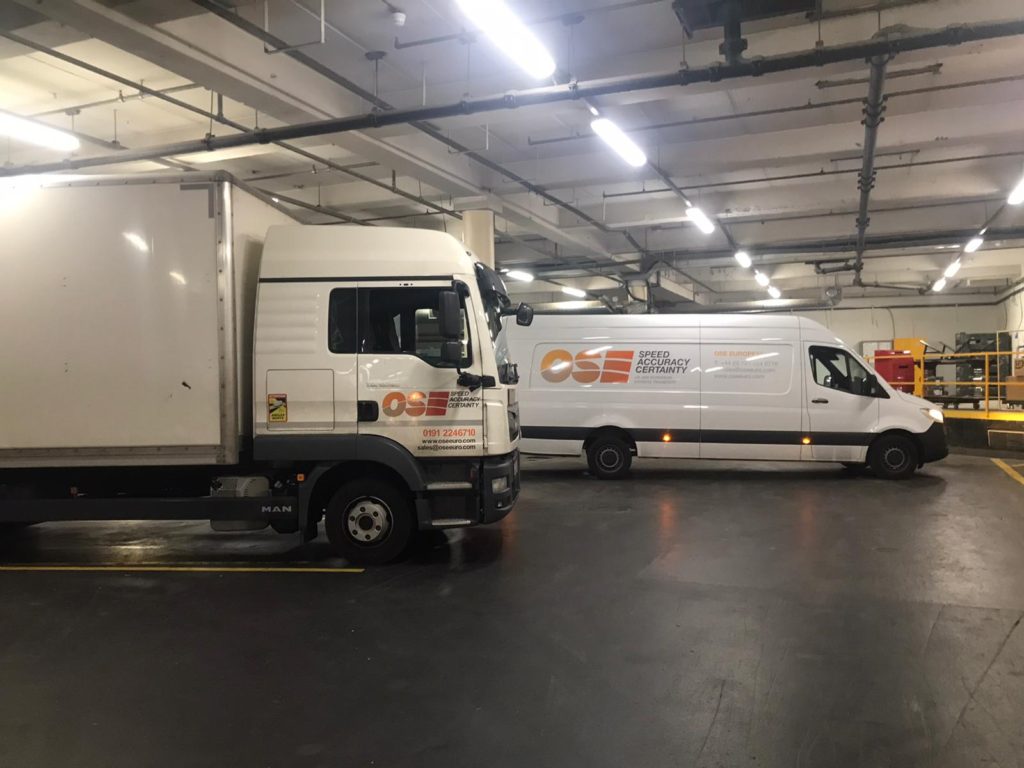
Before the consignment is delivered to its destination, pharmaceutical companies are required to provide proof that it was carried in a temperature-controlled vehicle.
Advanced fleet technology and active thermal control
Maintaining an uncompromised cold chain goes beyond basic refrigeration. Modern logistics fleets with pharmaceutical temperature-controlled transport capabilities use purpose-built technology to safeguard delicate payloads. Unlike passive packaging solutions, active heating and cooling systems offer precise, dynamic environmental control. This means that harsh winters and sweltering summer heatwaves do not have an impact on the interior cargo bay, and a steady climate is maintained.
Furthermore, state-of-the-art logistics incorporates advanced data recorders and continuous telematics systems. These tools offer instant, on-site printouts and live remote visibility, allowing fleet operators and clients alike to track real-time climate metrics from dispatch to delivery. High-value consignments (such as blood plasma and active pharmaceutical ingredients (APIs)) also benefit from enhanced security measures, including satellite tracking, geofencing, and specialised transit monitoring to mitigate theft risks and route disruption.
Overcoming cross-border logistics and supply chain issues
Transporting pharmaceuticals across international borders introduces unique challenges. Fluctuating climate zones along long transit corridors and unpredictable customs delays can expose supply chains to vulnerability.
To combat these variables, proactive planning and end-to-end contingency plans are needed. Detailed route assessments and strict adherence to GDP guidelines as well as live tracking mean that unforeseen delays do not compromise product viability. Partnering with a pharma logistics specialist with strong risk management results in pharmaceutical manufacturers protecting their reputation, avoiding costly batch rejections, and guaranteeing that life-saving medications reach clinics, hospitals, and pharmacies fully intact.
Cross-border customs clearance for pharmaceuticals
Moving sensitive medicines between the UK and continental Europe means navigating post-Brexit regulatory frameworks, export declarations, and border compliance protocols. Unlike standard commercial freight, pharmaceutical consignments face rigorous scrutiny at international checkpoints such as the Port of Calais. Any administrative friction or undocumented discrepancy can lead to unexpected vehicle detention, threatening the stability and shelf-life of time-critical biologicals.
Specialised logistics providers must integrate customs brokerage directly into their transport planning, so that all commercial invoices, product licenses, and certificates of analysis are pre-cleared electronically before the vehicle reaches the port. For operators like OSE European, possessing dedicated cross-border customs clearance expertise means that compliance documentation is managed proactively.
Emergency contingency planning
Even with state-of-the-art telematics and active climate control, unforeseen disruptions (such as severe highway gridlock, mechanical anomalies, or extreme weather events) can occasionally challenge scheduled transit times. A watertight pharmaceutical logistics strategy has comprehensive contingency protocols in place to manage high-risk scenarios.

This proactive framework includes:
- Pre-mapped alternative routing
- 24/7 centralised monitoring teams capable of intervening instantly if an internal temperature fluctuation is detected
- Pre-approved backup power supplies or emergency trans-shipment protocols
By anticipating logistical hazards before they escalate, specialised pharma couriers can safeguard active pharmaceutical ingredients (APIs), blood plasma, and temperature-sensitive treatments so that they remain protected throughout every unforeseen hurdle on the European air, sea, and road networks.
Case study in action: Securing pharmaceutical supply chains
Real-world operational excellence is demonstrated through long-standing industry partnerships. For instance, OSE European provided professional consignment intelligence and transport solutions to Aesica for nearly a decade.
Aesica routinely handled high-value, sensitive substances and controlled medications that had to be distributed across the UK and Europe while complying with strict Home Office and GDP regulations. By collaborating closely, OSE implemented vehicle security upgrades, custom tracking protocols, and temperature-monitoring procedures tailored to Aesica’s specifications.
This deep integration into the supply chain proved so reliable that Aesica cited OSE’s efficient and knowledgeable service as a key contributor to winning the Mid and Large Exporter of the Year award at the North East Exporters’ Awards 2014. It highlights how proactive risk mitigation, rigorous temperature controls, and trusted transport partnerships translate directly into commercial and compliance success.
Frequently Asked Questions
Below are some quick answers regarding standard transit temperature ranges, Good Distribution Practice compliance, real-time cargo monitoring, and active vehicle climate controls.
What temperature range is standard for pharmaceutical transport?
While specifications depend heavily on the manufacturer’s product license, standard medical logistics typically falls into two main bands: Controlled Room Temperature (CRT) between 15°C and 25°C, and Refrigerated Cold Chain between 2°C and 8°C for sensitive biologics and vaccines. Certain advanced therapies may require even stricter ultra-low configurations.
Why is Good Distribution Practice (GDP) critical for transport couriers?
GDP guidelines provide the legal and operational baseline for ensuring the quality and integrity of medicines are maintained throughout the supply chain. Compliance prevents contamination, degradation, and regulatory penalties so that there is full traceability from the manufacturing plant to the end user.
How is cargo temperature monitored during transit?
Modern pharmaceutical temperature-controlled transport utilises continuous data logging and GPS tracking. These systems monitor ambient internal conditions in real time and generate immediate printouts or digital audit trails for compliance verification upon delivery.
Can temperature-controlled vehicles both heat and cool?
Yes. Purpose-built pharmaceutical vehicles feature active climate control systems capable of both heating and cooling. This dual capability ensures that cargo is fully protected against extreme seasonal temperature drops as well as overheating during transit.
How OSE European can support your pharma logistics
With over 20 years of proven expertise in the transport sector, OSE European delivers reliable, fully compliant logistics solutions tailored specifically to the pharmaceutical and healthcare industries. Operating strategically out of our UK headquarters in Gateshead and our European hub in Calais, France, we provide a seamless bridge for critical medical consignments across domestic and international borders.
Our comprehensive suite of specialist pharmaceutical services includes:
- Temperature-controlled fleets: Purpose-built vans, rigid trucks, and semi-trailers equipped with active climate management systems for peace of mind and continuous tracking through every stage of the journey.
- ADR-qualified drivers: A highly trained team of professional drivers certified to handle hazardous materials, chemical reagents, and sensitive active pharmaceutical ingredients (APIs) with strict safety protocols.
- Precision satellite tracking & visibility: Real-time telematics and live tracking technology that give supply chain managers complete transparency from collection to final delivery.
- Cross-border customs clearance: Dedicated customs expertise operating directly through our Calais facility, minimising friction, paperwork delays, and border bottlenecks for European distribution.
- Secure storage and warehousing: Dedicated UK and EU warehousing options designed for safe inventory management, consolidation, and temporary staging of sensitive health products.
Whether you are distributing vital clinical trial samples or commercial pharmaceutical equipment, OSE European combines speed, accuracy, and unwavering regulatory compliance to keep your supply chain moving securely. Contact our team today at 0191 224 6710 or email sales@oseeuro.com to discuss your next medical consignment.