
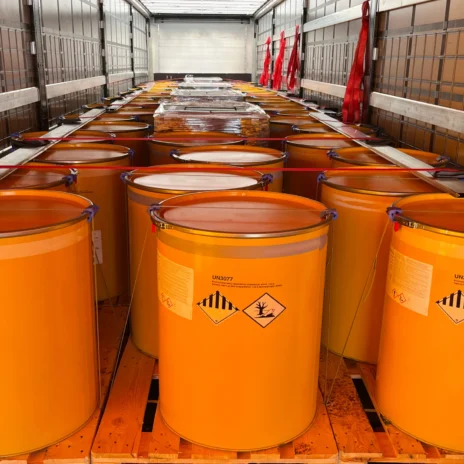
A complete guide to the transport of hazardous goods
For many businesses, moving hazardous goods is a routine part of daily operations. Whether it be transporting chemicals, industrial materials, medical products, or specialist equipment, the process requires careful planning and a laser focus on safety.
The consequences of getting it wrong can be dire. Delays, damaged cargo, regulatory penalties, environmental incidents, and risks to public safety can all result from poor preparation or non-compliance. That’s why organisations involved in the transport of hazardous goods need robust processes and experienced logistics support.
At OSE European, hazardous goods transport is a specialist area backed by ADR-trained drivers, compliant vehicles, and a vast amount of experience moving sensitive cargo throughout the UK and Europe.
This guide explores the key considerations businesses should understand when planning hazardous shipments and explains how working with the right logistics partner can help reduce risk and improve operational efficiency.
Understanding the transport of hazardous goods
Hazardous goods are substances or materials that could pose a risk to people or the environment during transport. They cover a wide range of products, from flammable liquids and corrosive chemicals to compressed gases, batteries, and certain pharmaceutical products.
Because these materials present unique risks, they are subject to strict regulations governing how they are classified, packaged, labelled, documented, and transported. The rules are designed to minimise the possibility of accidents and provide clear guidance on how hazardous materials should be handled throughout the supply chain.
The transport of hazardous goods requires greater attention than standard freight movements. Businesses must consider factors such as product compatibility, emergency response procedures, driver qualifications, vehicle suitability, and regulatory compliance, all before a shipment ever sets off on its journey.
Many organisations are surprised by how quickly complexity increases when hazardous materials are involved. A shipment that appears straightforward on paper can require specialist packaging, specific vehicle markings, detailed documentation, and additional planning to meet legal requirements.
This is why many businesses choose to work with specialists in hazardous goods logistics who understand the regulations and practical considerations involved in moving dangerous cargo safely.
Planning hazardous goods shipments
Successful hazardous goods transport begins long before a vehicle arrives for collection. Effective planning helps reduce risk and support compliance throughout the whole journey.
Goods classification
The first stage is understanding the nature of the goods being transported. Each substance carries its own classification, handling requirements, and transport restrictions. This information determines the packaging requirements, documentation needed, and vehicle specifications that may apply.
Vehicle selection
Certain hazardous materials require specialist vehicles, while others can be transported using standard equipment provided the correct procedures are followed. The vehicle must be appropriate for the cargo, the route, and any regulatory obligations attached to the shipment.
Route planning
Some roads, tunnels, ports, and urban areas may have restrictions relating to hazardous cargo. Careful route assessment helps identify potential issues before transport begins and allows alternative plans to be put in place if necessary.
Risk management
Businesses should consider potential disruptions, emergency procedures, and contingency arrangements before dispatch. This proactive approach helps minimise disruption if unexpected issues arise during transit.
At OSE, planning is treated as an integral part of every hazardous shipment. By assessing the cargo, transport requirements, and destination in advance, our team helps clients reduce uncertainty and maintain smooth operations across the UK and Europe.
Documentation and record keeping
Documentation is one of the most important parts of the transport of hazardous goods. Even when cargo is packed correctly and transported safely, paperwork errors can create delays and compliance concerns.
Hazardous shipments generally require transport documentation containing all of the details about the goods being moved. This includes things like their classification, quantities, packaging details, and emergency response information.
Drivers also need to carry written emergency instructions that are relevant to the cargo. These documents provide guidance on how to respond if an incident occurs during transport and are an important part of regulatory compliance.
Accurate records support traceability throughout the supply chain. Businesses should maintain records relating to classifications, declarations, training, inspections, and transport activity. Good record keeping not only supports compliance but also helps businesses show their due diligence during audits and the like.
Documentation requirements can become more complex when shipments cross international borders. Customs procedures, import requirements, and country-specific regulations may all need consideration alongside hazardous goods legislation.
Working with experienced logistics specialists helps reduce the likelihood of paperwork issues. Our expertise in customs procedures and cross-border freight movements supports businesses transporting hazardous cargo throughout Europe.
Training and staff responsibilities
The people involved in a hazardous shipment are just as important as the vehicle or packaging used to transport it.
Drivers handling dangerous goods must hold appropriate ADR qualifications and understand the regulations governing the cargo they carry. This training covers topics such as hazard awareness, emergency procedures, vehicle requirements, and safe handling practices.
Although, it’s important to remember that responsibility doesn’t sit solely with drivers. Warehouse teams, logistics coordinators, loaders, and managers all play a role in maintaining compliance and safety standards.
As you can no doubt imagine, loading and unloading activities call for particular care. Staff need to understand how hazardous materials should be handled, stored, and segregated. Incorrect loading practices can cause leaks, contamination, or avoidable damage during transit.
Regular refresher training helps keep knowledge up to date and allows organisations to adapt to regulatory changes. It also reinforces the importance of following established procedures consistently across all operations.
Businesses involved in specialist sectors such as medical transport often face additional handling requirements due to the nature of the products being moved. In these situations, trained personnel become even more important in maintaining product integrity and compliance throughout the journey.
Packaging, labelling, and handling best practices
Packaging serves as the first line of defence during the transport of hazardous goods. It must be suitable for the material being carried and capable of withstanding the conditions encountered during loading, transit, and unloading.
Packaging
Approved packaging is designed to reduce the risk of spills, leaks, contamination, or damage. Using the wrong packaging can create significant safety risks and may result in regulatory breaches.
Labelling
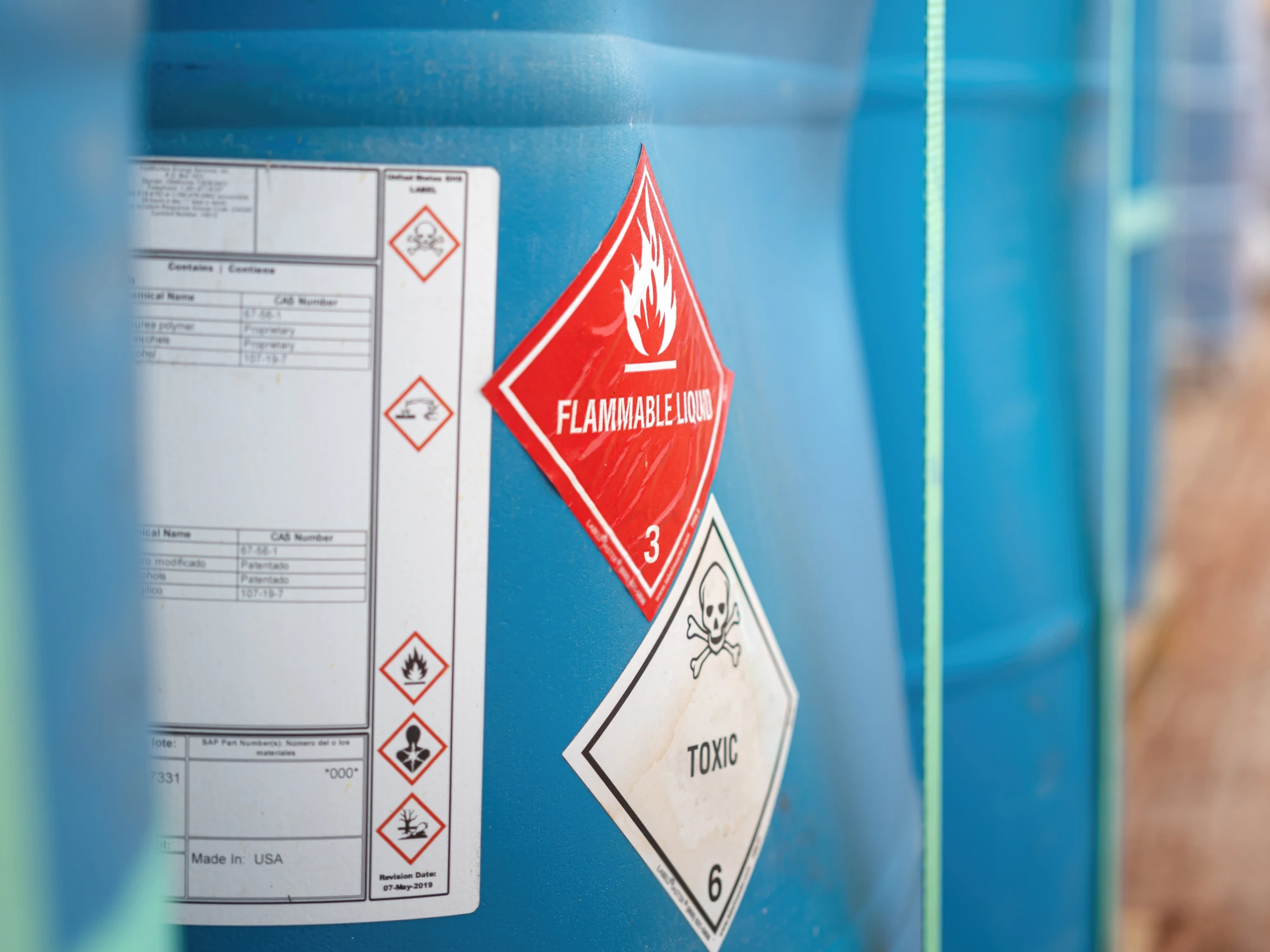
Labelling is equally important. Hazard labels provide essential information about the nature of the cargo and help everyone involved in the transport process understand the risks associated with the shipment. Emergency services also rely on these markings if an incident occurs.
Segregation
Segregation of goods is another critical consideration. Certain substances must not be transported together due to the potential for dangerous reactions. Proper planning and loading procedures help avoid compatibility issues and support safe transport operations.
Handling
Handling procedures should be clearly documented and communicated to everyone involved in the shipment. As is the case with so many aspects of logistics, consistency is key. But when you’re dealing with high-risk materials or regular transport movements, it becomes even more important.
Businesses that want to strengthen their procedures can benefit hugely from reviewing industry best practices and working with experienced logistics providers who understand the practical application of hazardous goods regulations.
Why are technology and monitoring tools so important?
Technology continues to play an increasingly valuable role in hazardous goods logistics. Here are some examples that have become indispensable:
- GPS tracking systems provide real-time visibility of vehicle locations, allowing businesses to monitor shipments throughout the journey.
- Digital record keeping systems also make compliance management easier. Important documents, inspection records, and training certificates can be stored securely and accessed quickly when required.
- Monitoring systems can provide additional oversight for sensitive cargo. Depending on the nature of the shipment, businesses might use technologies that track vehicle status and environmental conditions throughout transit.
- In select cases, certain goods must be kept at a highly specific temperature throughout the journey. In said cases, our temperature-controlled transport service is a cutting-edge solution that provides oversight and peace of mind.
For logistics providers, technology helps improve efficiency while supporting regulatory compliance. Combined with experienced personnel and robust processes, these tools contribute to safer and more transparent transport operations.
Moving hazardous goods with confidence
The transport of hazardous goods demands careful preparation, regulatory knowledge, and a strong commitment to safety. Every stage of the process, from planning and documentation to packaging and delivery, plays a role in protecting people, cargo, and the wider environment.
Businesses that invest in proper procedures, staff training, and specialist support are better positioned to manage risk and maintain efficient supply chains.
With ADR-trained drivers, compliant transport solutions, and extensive cross-border experience, OSE European helps businesses move hazardous cargo safely and efficiently across the UK and Europe. If you’re currently exploring options for hazardous goods transport, get in touch to find out how we can help.