

ADR regulations explained for UK/EU transport
Transporting dangerous goods requires far more than simply moving cargo from one location to another. Businesses handling hazardous materials must comply with strict legal and safety standards designed to protect drivers, infrastructure, the public, and the environment throughout the transport process.
Across the UK and Europe, these rules are governed largely by ADR legislation, which sets out the requirements for transporting dangerous goods by road.
Whether a business is shipping chemicals, medical products, industrial gases, or flammable materials, understanding these obligations is essential for maintaining safe and compliant operations.
Failure to comply with ADR regulations can result in delays, fines, reputational damage, and significant safety risks. On the other hand, businesses that prioritise compliance benefit from smoother logistics operations, improved risk management, and greater confidence when moving goods internationally.
This guide explains the key principles behind ADR, outlines the similarities and differences between UK and EU requirements, highlights common compliance challenges, and explores how specialist logistics support can help businesses transport dangerous goods safely and efficiently.
What are ADR regulations?
ADR stands for the ‘European Agreement concerning the International Carriage of Dangerous Goods by Road’. First signed in Geneva all the way back in 1957, it is an internationally recognised framework governing how hazardous materials are classified, packaged, labelled, documented, and transported by road.
Although originally developed within Europe, the agreement applies across a wide range of participating countries and forms the foundation of dangerous goods transport legislation throughout the UK and EU. The aim of ADR regulations is to minimise the risks associated with transporting potentially dangerous substances while making sure goods can continue moving efficiently through supply chains.
Dangerous goods can include a broad range of materials and products, including:
- Flammable liquids and gases
- Corrosive chemicals
- Toxic substances
- Explosives
- Radioactive materials
- Medical or pharmaceutical products requiring specialist handling
The rules apply not only to transport providers but also to businesses involved in packing, loading, consigning, and receiving hazardous goods. Every party involved in the supply chain shares responsibility for ensuring compliance.
The complexity of these requirements means many businesses rely on specialist logistics providers with expertise in hazardous goods transport to make sure that shipments meet all legal and operational standards.
Why ADR compliance matters
The purpose of ADR legislation extends well beyond administrative compliance. These rules exist to reduce the risk of accidents, environmental damage, injury, and disruption during transport operations.
Dangerous goods present unique hazards depending on their classification. Some substances may ignite under certain conditions, while others can react dangerously if mixed incorrectly or exposed to heat, moisture, or impact. ADR procedures are designed to control these risks at every stage of the transport process.
Complying with ADR regulations helps businesses:
- Protect drivers, handlers, and the public
- Reduce the likelihood of incidents or spills
- Ensure shipments can move legally across borders
- Avoid fines, delays, or enforcement action
- Maintain customer confidence and operational reliability
For businesses operating internationally, compliance is particularly important because authorities across Europe expect dangerous goods shipments to meet consistent safety standards. Even relatively minor documentation errors or labelling issues can lead to delays at ports, border crossings, or inspection points.
By treating ADR compliance as a core operational priority rather than a box-ticking exercise, businesses can build safer, more resilient logistics processes.
UK vs EU ADR requirements
One of the key points businesses should understand is that UK and EU dangerous goods transport rules remain largely aligned. ADR is an international agreement rather than purely an EU regulation, meaning the UK continues to follow the same overarching framework post-Brexit.
In practice, this means many of the core requirements remain consistent across both regions. Vehicle markings, hazard labels, packaging standards, and driver training requirements all generally follow the same internationally recognised rules.
However, there are still several important areas businesses should monitor carefully when transporting dangerous goods between the UK and EU.
Documentation and customs procedures
Although the technical standards remain in sync, Brexit introduced additional customs and border processes for UK-EU trade. Businesses must make sure that transport documentation, customs declarations, and supporting paperwork are completed accurately when moving hazardous cargo internationally.
Delays caused by incorrect declarations or incomplete documentation can be particularly disruptive when dangerous goods are involved, as authorities may subject shipments to additional checks.
Driver and vehicle certification
ADR driver certification remains recognised across participating countries, but businesses should make sure that qualifications remain current and valid for the regions in which they’re operating.
Similarly, vehicle compliance standards continue to follow ADR requirements, but operators must remain aware of any country-specific operational guidance or inspection procedures.
Regulatory updates
ADR legislation is reviewed and updated regularly, typically every two years. While the UK and EU continue to follow the same core framework, businesses need to remain informed about updates introduced in each revision cycle.
Staying compliant requires ongoing attention to regulatory developments rather than assuming requirements remain static.
Key compliance responsibilities
Businesses involved in dangerous goods transport must manage several critical compliance responsibilities to ensure shipments meet ADR requirements.
Correct classification and labelling
Every hazardous material must be accurately classified according to its specific risk category. This classification determines how the goods should be packaged, labelled, stored, and transported.
Hazard labels and warning signs provide essential information to drivers, emergency responders, and handling teams. Incorrect classification or missing labels can create serious safety risks and lead to enforcement action.
Complying with ADR regulations means making sure that every shipment is correctly identified before transport begins.
Approved packaging and vehicle markings
Dangerous goods must be packed using approved containers and packaging designed to prevent leaks, contamination, or accidental release during transport.
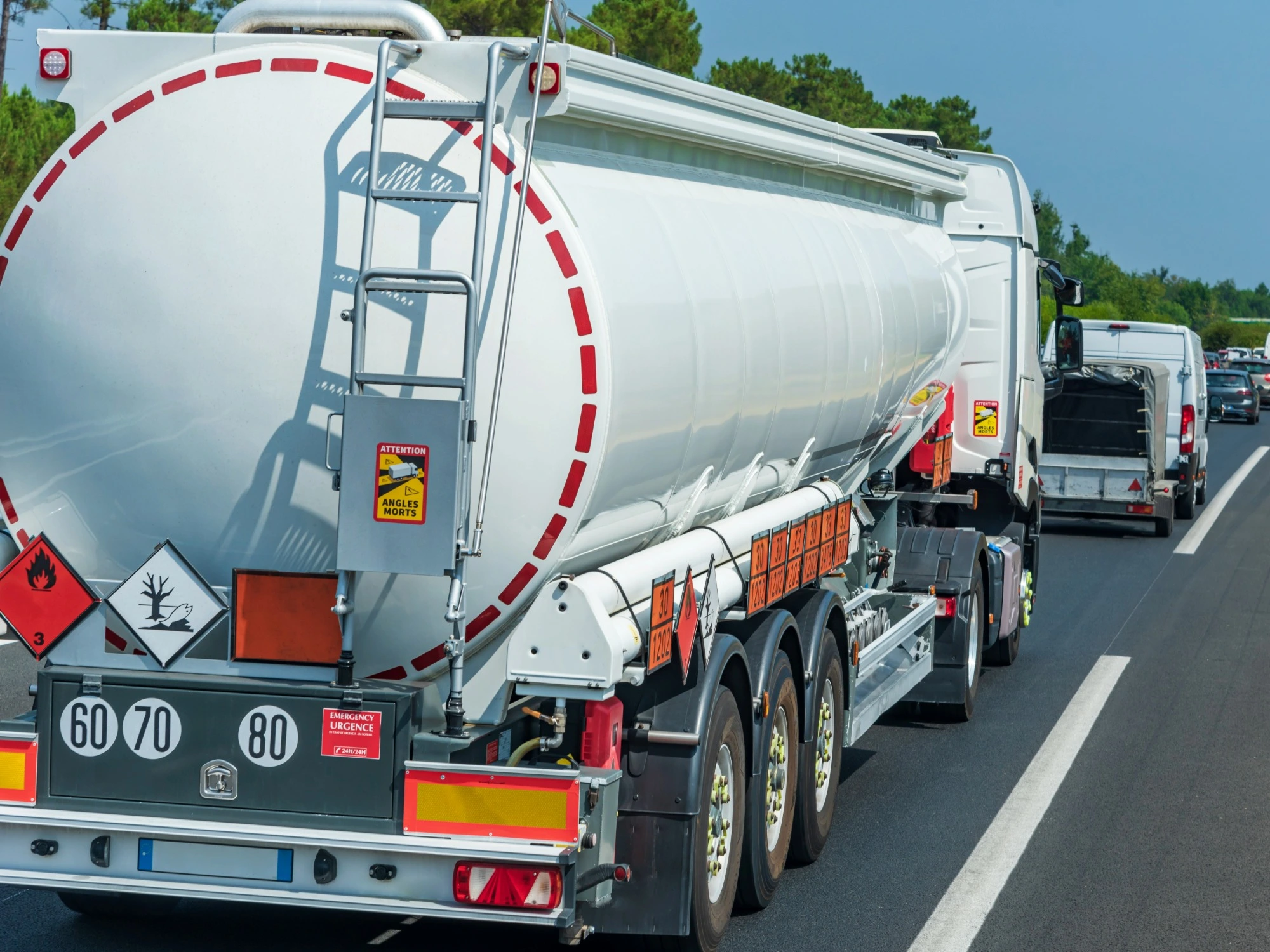
Vehicles carrying hazardous materials also require specific external markings depending on the cargo type. These markings help emergency services identify potential risks quickly in the event of an incident.
Packaging and vehicle standards are particularly important for high-risk or sensitive cargo such as chemicals and pharmaceutical products involved in medical transport operations.
ADR-qualified drivers
Drivers transporting dangerous goods must hold valid ADR training certification appropriate to the classes of goods they carry. This training covers hazard awareness, safe loading and unloading, emergency procedures, fire prevention, documentation requirements, and vehicle safety
Using properly trained personnel is one of the most important aspects of maintaining compliance with ADR regulations.
Transport documents and emergency instructions
Dangerous goods shipments must be accompanied by detailed transport documentation outlining the cargo classification, quantities, handling requirements, and emergency response information.
Drivers must also carry written emergency instructions explaining how to respond if an incident occurs during transit. Accurate documentation ensures authorities and emergency responders can act quickly and appropriately if required.
Common mistakes businesses should avoid
Despite clear guidance, several common issues continue to cause compliance failures during dangerous goods transport.
Incorrect or incomplete paperwork
Documentation errors remain one of the most frequent causes of delays and enforcement action. Missing details, incorrect classifications, or inconsistencies between documents can trigger inspections or shipment holds.
Given the complexity of international transport requirements, businesses should make sure that paperwork is checked carefully before dispatch.
Expired driver certification
ADR driver qualifications must be renewed periodically. Allowing certifications to lapse can result in non-compliance and operational disruption. Businesses should maintain clear training records and monitor renewal dates proactively.
Poor load segregation
Some dangerous goods must be separated during transport to prevent hazardous reactions if leaks or spills occur. Improper segregation can create serious safety risks. Understanding compatibility requirements is a key part of managing ADR regulations correctly.
Incorrect packaging or labelling
Using non-approved packaging or applying incorrect hazard labels can lead to fines, shipment rejection, or increased safety risks. Even experienced businesses can encounter issues if packaging standards are not reviewed regularly or if operational procedures become inconsistent.
The importance of ongoing compliance
ADR compliance is not something businesses can address once and then forget about. Regulations evolve regularly, and operational processes must adapt accordingly. Maintaining long-term compliance requires ongoing attention in several areas.
Regular training
Staff involved in handling dangerous goods should receive regular refresher training to make sure procedures remain current and understood across the organisation. This includes drivers, warehouse teams, logistics coordinators, and anyone responsible for documentation or packaging.
Internal audits and process reviews
Routine compliance audits help identify weaknesses before they become larger operational issues. Reviewing documentation procedures, packaging standards, and vehicle compliance reduces the risk of mistakes. Businesses transporting hazardous goods frequently should treat audits as a normal part of operational management.
Staying informed about regulation changes
ADR updates are introduced periodically to reflect evolving industry standards, technologies, and safety priorities. Businesses that fail to stay informed may unintentionally fall behind compliance requirements.
Working with experienced logistics specialists can help organisations remain aligned with the latest expectations under ADR regulations and follow best practices for hazardous goods transport.
How OSE European can help
Managing dangerous goods transport requires expertise, attention to detail, and a clear understanding of cross-border logistics requirements. For many businesses, partnering with an experienced specialist provider is the most efficient and reliable way to maintain compliance.
OSE European supports businesses transporting hazardous cargo across the UK and Europe with professionally managed logistics solutions tailored to ADR requirements.
Our team understands the operational and regulatory challenges involved in transporting dangerous goods internationally. We provide ADR-trained drivers, compliant vehicles, and expert coordination designed to ensure shipments move safely and efficiently throughout the supply chain.
From documentation and customs support to route planning and load management, OSE helps businesses navigate the complexities of ADR regulations with confidence.
We also recognise that every shipment is different. Whether transporting chemicals, medical products, industrial materials, or specialist cargo, our team works closely with clients to ensure the correct procedures, packaging, and transport arrangements are in place from the outset.
By combining industry expertise with practical logistics support, OSE helps businesses minimise risk, maintain compliance, and keep international operations running smoothly.
Get in touch today to find out more about our services.